Common mistakes when booking Tottenham rubbish collection
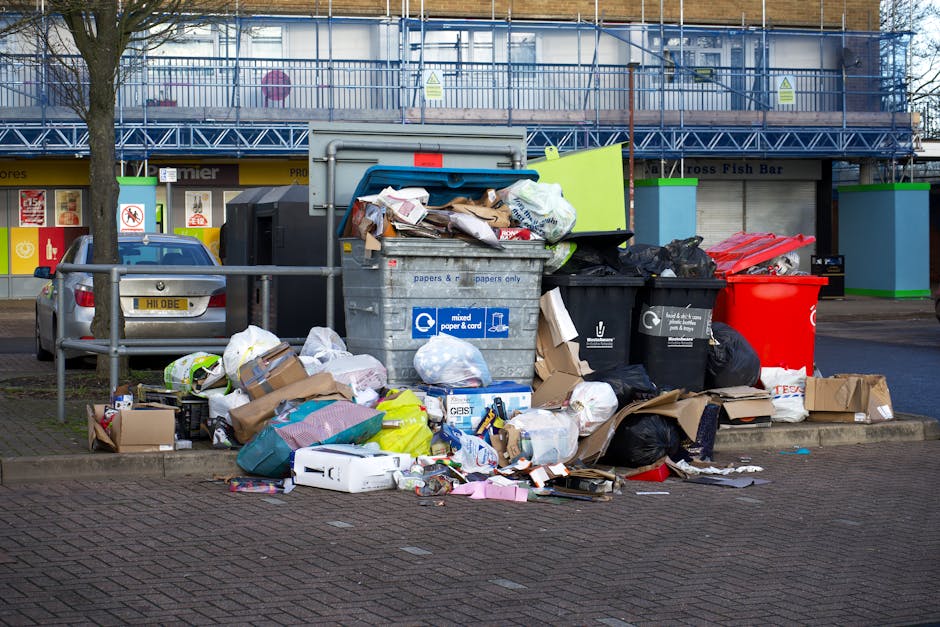
Booking rubbish collection in Tottenham sounds simple enough: make a call, agree a time, get the waste taken away, done. In reality, a lot can go wrong if you rush the decision. The most common mistakes when booking Tottenham rubbish collection are usually not dramatic, but they do cost people time, money, and a fair bit of annoyance. A missed collection window, a surprise charge, or the wrong type of waste on the day can turn a tidy-up into a headache very quickly.
This guide breaks down the mistakes people make most often, why they matter, and how to avoid them. If you are clearing out a flat, dealing with builders' waste, or just trying to get a garage back under control, the same basic principles apply. Let's face it, rubbish collection should make life easier, not create a second job.
Why Common mistakes when booking Tottenham rubbish collection Matters
Booking waste collection is not just about getting rid of unwanted items. It affects safety, convenience, and sometimes compliance too. If you are in a Tottenham terrace, a flat above a shop, or a house with a narrow frontage and no easy parking, the logistics matter just as much as the lifting.
Common mistakes often show up in very ordinary ways. People underestimate how much waste they have. They forget about access issues. They assume every item can go in one load. Or they book based on the cheapest quote without checking what is actually included. None of that sounds major until a crew turns up and the job cannot be completed as planned.
There is also the local reality to think about. Tottenham streets can be tight, parking can be awkward, and loading space may be limited. If a collection is arranged badly, even a good team can lose time just manoeuvring safely. That is where a carefully booked service makes all the difference. A little planning now saves a lot of running around later.
Expert summary: The best rubbish collection bookings are the ones that are specific, honest, and realistic. Know what needs removing, where it is located, when it can be accessed, and whether it needs sorting first. Simple, but easily skipped.
How Common mistakes when booking Tottenham rubbish collection Works
At a practical level, rubbish collection usually follows a straightforward sequence. You describe the waste, get a price or estimate, agree a collection slot, and the team removes the items. The details are where problems appear.
For example, a customer might say they need "a bit of general rubbish taken away." That can mean anything from a few black bags to a dismantled wardrobe, broken shelving, a mattress, and loose builders' offcuts. If the description is vague, the quote may not match the actual job. Then the day gets awkward, which nobody wants on a wet Tuesday morning.
Good booking usually starts with a clear inventory. If possible, separate the waste into rough categories such as household rubbish, furniture, garden waste, or builders' rubble. If you have bulky items, mention them. If access is via stairs, a rear alley, or a communal entrance, say so early. That kind of detail is not fussiness; it is what makes the service work smoothly.
Many people also mix up collection types. A waste removal service may suit mixed, general waste, while a more specific service can be better for heavier or more specialised loads. For instance, a loft clearance, garage clearance, or furniture disposal job may need a different approach from a simple bag-and-box pickup. Choosing the right fit matters more than people think.
If you are moving out, downsizing, or managing a bigger reset of the property, it can also help to look at broader services such as home clearance or house clearance. Those services are often more appropriate than trying to bolt together smaller collections one after another.
Key Benefits and Practical Advantages
When rubbish collection is booked well, the benefits are obvious almost immediately. The property looks clearer, the work is finished faster, and you do not spend a weekend dragging bags around the pavement in your old trainers.
- Less stress: A good booking reduces the chance of surprises on collection day.
- Better pricing clarity: Clear details make quotes more accurate and easier to compare.
- Faster turnaround: Correct information helps the collection team arrive prepared.
- Safer handling: Bulky, heavy, or awkward waste can be managed more safely when expected in advance.
- Cleaner finish: A properly planned collection leaves less mess behind.
There is also an environmental angle. If waste is sorted clearly, a provider can handle recyclable materials more effectively. If sustainability matters to you, it is worth asking how items are processed and whether the business follows sensible recycling practices. The details may sound small, but they add up. A pile of mixed waste is very different from a carefully planned removal.
For households and landlords alike, there is a practical benefit too: fewer delays with end-of-tenancy deadlines, renovation schedules, or sale preparations. In other words, you get the room back when you actually need it, not two days too late.
Who This Is For and When It Makes Sense
Tottenham rubbish collection is useful for a wide range of people. It is not just for major clear-outs. In fact, the most common users are often dealing with fairly ordinary situations that simply snowball: a spare room full of old furniture, a shed that has become a dumping ground, or a renovation project that has left more dust and rubble than expected.
This guide is especially relevant if you are:
- moving home or preparing a property for sale
- clearing a flat with limited access or no lift
- removing old furniture, mattresses, or appliances
- tidying a garage, loft, or garden
- dealing with builders' offcuts after a refurb
- managing business waste from an office, shop, or storage space
It also makes sense if you are comparing options. Some people only need a straightforward one-off removal. Others need a more complete service, such as flat clearance, office clearance, or builders waste clearance. The right choice depends on the mix of items, the access, and how much sorting you want to do yourself.
Truth be told, if you are already feeling overwhelmed by clutter, the wrong booking can make it worse. The goal is not just removal. It is momentum. Getting the first collection right often makes the rest of the tidy-up much easier.
Step-by-Step Guidance
Here is a simple way to book rubbish collection without falling into the usual traps.
- List everything you want removed. Be honest and specific. A rough count is better than a vague guess.
- Separate waste types. Furniture, garden waste, DIY rubble, and mixed household rubbish may need different handling.
- Check access. Note stairs, tight hallways, parking constraints, or any time restrictions.
- Ask what is included. Find out whether labour, loading, disposal, and any extra items are covered in the quote.
- Clarify timing. Make sure the collection slot matches your schedule, especially if you are on a move-out deadline.
- Prepare the waste. Put items in an accessible place if possible, but do not move heavy objects unsafely just to help the process.
- Review the terms before confirming. Small details can affect the final price or the service scope.
- Keep communication open. If anything changes, say so early. People sometimes keep quiet, then wonder why the collection does not fit the original plan. It happens.
One practical note: if you are arranging a larger clear-out, it may be more efficient to combine items into one appointment rather than booking several smaller collections. That can reduce disruption and help with overall planning. Just be sure the provider knows the full picture.
Expert Tips for Better Results
Booking well is mostly about making the job easier to quote, easier to access, and easier to complete. That sounds obvious, but it is the difference between a clean removal and a messy back-and-forth.
Tip 1: Use photos. If the provider accepts photos, take them in daylight and include the full pile, not just the front row. One picture often hides half the waste behind it. We have all seen that sort of thing.
Tip 2: Measure bulky items. A wardrobe, sofa, or awkward cabinet may look manageable until it reaches a narrow staircase. A quick measurement can avoid a lot of guesswork.
Tip 3: Ask about special waste. Items such as fridges, mattresses, paint tins, and certain DIY materials can require extra handling. Do not assume they are all treated the same.
Tip 4: Build in a small time buffer. If your move-out, rental handover, or builder visit is fixed, do not leave the collection to the last possible hour. A bit of breathing room is useful. Always.
Tip 5: Look at the bigger project. If you are clearing several parts of a property, compare a targeted removal with more complete options like garage clearance, loft clearance, or furniture clearance. Sometimes the broader service is actually simpler.
Tip 6: Choose clarity over optimism. Saying "it is probably just a few bags" is how collections get underquoted. Better to over-describe than under-describe.
Common Mistakes to Avoid
This is the part that saves people the most trouble. The same errors come up again and again, and most are avoidable.
1. Booking on price alone
The cheapest quote is not always the best value. Sometimes a low price leaves out labour, loading time, or disposal for certain items. Then the final bill is not so cheap after all.
2. Underestimating the amount of waste
A small-looking pile can be deceptively large once it is lifted, sorted, and loaded. A couple of broken wardrobes, a mattress, and a few bags can fill far more space than expected.
3. Not checking access properly
Blocked driveways, narrow stairwells, basement steps, and resident-only parking can all affect the job. If the team cannot get close enough, the collection may take longer or require a different arrangement.
4. Forgetting to mention item types
Furniture, appliances, electricals, and builders' waste are not all the same. Leaving out item details can lead to confusion or delays.
5. Ignoring timing pressure
Waiting until the day before a move, a landlord inspection, or a renovation deadline is asking for trouble. To be fair, we have all delayed a task or two. But waste removal is not one of the jobs you want to improvise.
6. Leaving items in unsafe places
Heavy items stacked badly, sharp materials exposed, or bags placed where people need to walk can create unnecessary risk. Better to keep things tidy and accessible.
7. Not reading the terms
Even a quick scan can reveal useful things about what is included, what counts as extra, and how changes are handled. It is a boring five minutes that may save a frustrating afternoon.
8. Mixing up general rubbish with specialist clearance needs
A garden waste job is not the same as an office clearance. A refurb is not the same as a furniture-only pickup. If the waste type is mixed, say so clearly.
9. Assuming recycling happens automatically
Some items can be separated more effectively when the customer mentions them early. If sustainability matters, ask how the load will be handled and what happens to reusable items.
10. Forgetting about hidden extras in larger clear-outs
People often remember the obvious pile in the hallway but overlook the loft, shed, under-stairs cupboard, or bin store. That is where "just a small job" becomes a much bigger one.
Tools, Resources and Recommendations
You do not need specialist software or fancy tools to book rubbish collection well. A few simple things make the process much smoother.
- Phone camera: Take clear photos of the waste from different angles.
- Notepad or checklist: Write down items room by room so nothing gets missed.
- Measuring tape: Useful for sofas, wardrobes, appliances, and awkward furniture.
- Access notes: Record parking, entry codes, floor level, and lift availability if relevant.
- Calendar reminder: Handy if you are coordinating with movers, tenants, or tradespeople.
On the service side, it is worth comparing the most relevant option rather than jumping to a generic one. For instance, if the job is primarily domestic, a house clearance or home clearance may be more suitable. If it is mostly heavy leftover material from a renovation, a specialist waste-focused service may be the better route.
If you are trying to budget properly, the pricing and quotes information can be a useful starting point, while recycling and sustainability is worth checking if you want a more responsible disposal approach. For trust and background, about us can also help you understand who you are dealing with before you confirm anything.
Law, Compliance, Standards, or Best Practice
Waste disposal is one of those areas where a bit of caution goes a long way. You do not need to become an expert in regulation to book a collection, but you should know the basics of responsible waste handling.
In the UK, waste should be handled by a lawful and competent operator, and customers should avoid passing waste to anyone who cannot clearly explain what happens to it. That is especially important for mixed loads, electrical items, or waste from building work. If you are arranging removals from a business, the expectations are usually stricter, and records matter more.
Best practice is simple:
- describe the waste honestly
- ask how it will be handled
- keep records of what was removed
- make sure the collection is safe for the property and for the people involved
- avoid leaving hazardous or unknown materials mixed into general waste
Safety is part of compliance too. A professional approach should reflect sensible lifting, careful loading, and respect for the property. If you want to check how a provider approaches this, policies such as health and safety policy, insurance and safety, and terms and conditions can be useful reading. None of that is glamorous, admittedly, but it tells you a lot about how seriously a business takes the work.
Options, Methods, or Comparison Table
Different jobs call for different approaches. A quick comparison can help you avoid booking the wrong type of collection in the first place.
| Option | Best for | Main strength | Possible drawback |
|---|---|---|---|
| General rubbish collection | Mixed everyday waste, bags, small items | Simple and flexible | Not ideal for large, bulky clear-outs |
| Furniture disposal | Sofas, wardrobes, tables, beds | Good for bulky household items | May need clear access and item details |
| Garage or loft clearance | Stored clutter, boxed items, old kit | Useful for hidden or awkward spaces | Can be underestimated if contents are not listed properly |
| Builders waste clearance | Renovation debris, rubble, offcuts | Suitable for heavier, messy loads | Needs more precise description of material type |
| Office clearance | Desks, chairs, files, business clutter | Good for commercial spaces | May require more coordination and timing |
If you are unsure, start with the most specific service that matches the waste. That usually leads to better expectations and a cleaner booking process. A bit of precision up front tends to save money later, which is not a bad trade.
Case Study or Real-World Example
A common real-world scenario goes like this. A couple in Tottenham are moving out of a two-bedroom flat and need old furniture, a broken bookshelf, some boxed rubbish, and a few items from the hallway removed before keys are handed back. They call it "a small clearance."
When the details are checked, the job is bigger than expected. There are two wardrobes, a dismantled bed frame, several bags of mixed waste, and access only via a narrow staircase with no parking right outside. Nothing impossible, but definitely not a tiny job.
Because the customer gave clear photos, mentioned the stairs, and separated the furniture from the mixed waste, the service could be arranged properly. The collection was completed without a scramble, and the flat was left ready for the next step. If they had waited until the night before and just said "some rubbish," it would have been a much more stressful morning.
That is the pattern, honestly. Most collection problems are not caused by huge failures. They come from incomplete information and optimistic assumptions. Small things, but they snowball.
Practical Checklist
Use this quick checklist before you book.
- Have I listed every item or load I want removed?
- Have I checked whether the waste is mixed, bulky, heavy, or specialist?
- Do I know where the waste is located in the property?
- Have I noted stairs, parking, access codes, or time restrictions?
- Have I checked what is included in the price?
- Have I asked about items that may need special handling?
- Have I compared the right type of service for the job?
- Do I have enough time before my deadline?
- Have I read the terms and any safety information?
- Have I taken photos so nothing is missed?
If you can tick most of those boxes, you are already ahead of the curve. Seriously, that is half the battle.
Conclusion
The common mistakes when booking Tottenham rubbish collection usually come down to three things: vague information, poor timing, and choosing the wrong type of service. Get those right and the whole process becomes much simpler. Get them wrong and even a straightforward collection can turn into a back-and-forth that nobody needed.
The good news is that these problems are easy to avoid with a little planning. Be specific about what needs removing. Think about access before the booking. Match the service to the job. And if you are in doubt, ask the questions early rather than hoping it sorts itself out on the day.
That is the real takeaway here: clarity beats guesswork every time. A well-planned rubbish collection feels calm, quick, and oddly satisfying. You look at the cleared space and think, yes, that's better.
Get a free quote today and see how much you can save.
Frequently Asked Questions
What is the most common mistake people make when booking rubbish collection in Tottenham?
The biggest mistake is giving a vague description of the waste. If the provider does not know the volume, type, or access details, the booking may be inaccurate from the start.
Should I choose the cheapest rubbish collection quote?
Not automatically. Cheap quotes can be fine, but only if they clearly include the labour, loading, and disposal you actually need. Always check what is covered.
How do I know which service I need?
Match the service to the waste. General rubbish, bulky furniture, garden waste, builders' debris, and office items can all need different handling. If in doubt, describe everything clearly and ask for guidance.
Do I need to sort the rubbish before collection?
Not always, but sorting can help with speed, pricing clarity, and disposal planning. It is especially useful if you have a mix of furniture, household waste, and construction debris.
Can I book rubbish collection for a flat with no lift?
Yes, but you should mention stairs, floor level, and any access restrictions before confirming. That lets the provider plan properly and avoid delays.
What should I tell the company before collection day?
Give as much practical detail as you can: item types, approximate amount, access, parking, timing constraints, and whether anything is unusually heavy or awkward.
Is it a mistake to leave booking until the last minute?
Usually, yes. Last-minute bookings reduce your options and can create pressure if there is a deadline such as a move, tenancy handover, or renovation schedule.
What happens if I forget to mention a large item?
The collection may need to be adjusted, rescheduled, or re-priced depending on the item and the original arrangement. It is much easier to mention bulky items early.
Are all waste items treated the same?
No. Furniture, electronics, builders' waste, garden waste, and mixed household rubbish may need different handling. That is why item details matter so much.
How can I avoid surprise charges?
Ask what is included, confirm the waste type, mention access issues, and review the terms before booking. Good communication is the simplest way to avoid unwelcome extras.
Should I choose a general collection or a full house clearance?
If you only have a small amount of waste, general collection may be enough. If you are clearing multiple rooms or a full property, a broader clearance service is often more practical.
What if I am not sure how much waste I have?
Use photos, rough measurements, and a room-by-room list. It does not need to be perfect, but a more accurate description leads to a better booking and fewer surprises.
Does sustainability matter when booking rubbish collection?
Yes, if you care about how items are handled after collection. It is reasonable to ask about recycling and how reusable materials are processed.
Where can I check service details before I book?
Useful starting points include pricing and quotes, recycling and sustainability, and contact us if you want to discuss the job directly.
And if you want a clearer picture of the company behind the service, about us is worth a look too. Sometimes the little details tell you more than the headline ever does.