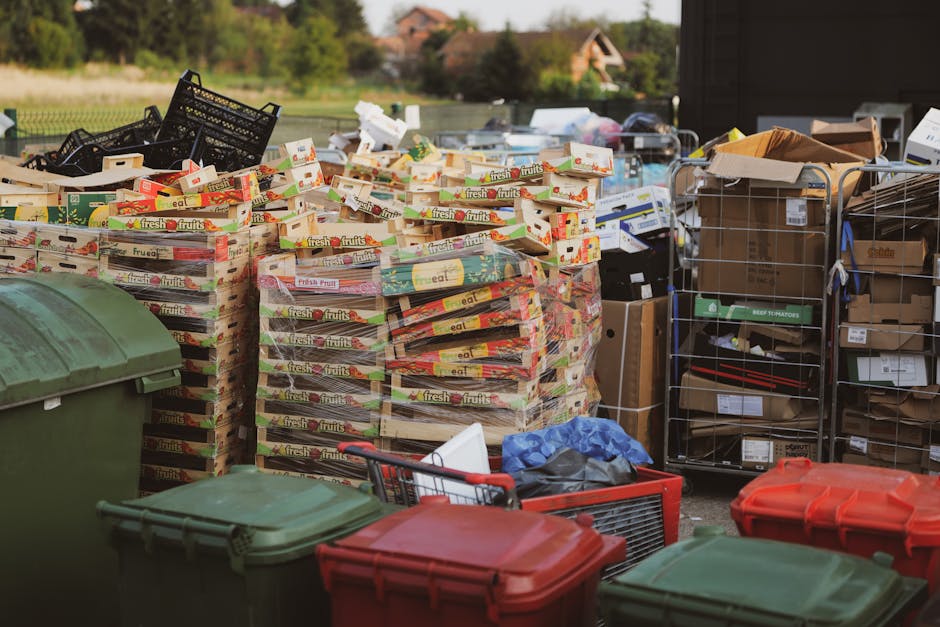
Rubbish collection at Broadwater Farm estate what to expect
If you are sorting out rubbish collection at Broadwater Farm estate, you probably want a straight answer: what happens, how long it takes, what can be taken, and what you need to do before anyone arrives. Fair enough. No one wants a half-finished clearance, a blocked walkway, or a surprise because the wrong items were left out.
This guide explains rubbish collection at Broadwater Farm estate what to expect in plain English. You will get a practical overview of how collections are usually organised, what to prepare, what can slow things down, and how to make the process smoother from start to finish. We will also cover safety, recycling, compliance, and the small details that make a big difference on the day.
If you are comparing services, you may also find it useful to review pricing and quote information, read about recycling and sustainability, and check the company's health and safety policy before booking.
Table of Contents
- Why Rubbish collection at Broadwater Farm estate what to expect Matters
- How Rubbish collection at Broadwater Farm estate what to expect Works
- Key Benefits and Practical Advantages
- Who This Is For and When It Makes Sense
- Step-by-Step Guidance
- Expert Tips for Better Results
- Common Mistakes to Avoid
- Tools, Resources and Recommendations
- Law, Compliance, Standards, or Best Practice
- Options, Methods, or Comparison Table
- Case Study or Real-World Example
- Practical Checklist
- Conclusion
- Frequently Asked Questions
Why Rubbish collection at Broadwater Farm estate what to expect Matters
Broadwater Farm is a dense residential estate, which means rubbish collection is never just about lifting bags into a vehicle. Access matters. Neighbours matter. Communal areas matter. And, to be fair, so does timing. If waste is left in the wrong place for too long, it can create inconvenience very quickly: smells, pests, trip hazards, blocked entrances, or a general sense that the place has become untidy overnight.
That is why knowing what to expect helps. When you understand the process, you can prepare the waste properly, avoid delays, and reduce the chance of extra charges or missed items. It also helps you choose the right type of collection, whether you need a single bulky item removed, a post-move clearance, or a more mixed household rubbish collection.
There is another reason this matters: estates often have shared access routes, loading points, stairwells, and parking restrictions. A good collection plan respects the environment around the property, not just the waste itself. In practice, that means less disruption for residents and a calmer experience all round. Nice when it works like that, isn't it?
Expert summary: the best rubbish collection service on an estate is not simply the one that arrives fastest. It is the one that can work safely, communicate clearly, handle access sensibly, and leave the area tidy.
How Rubbish collection at Broadwater Farm estate what to expect Works
Most rubbish collections follow a similar pattern, but estate work tends to be a bit more organised because of the layout and shared spaces. The process usually starts with a booking or quote, followed by a description of the waste type, volume, access conditions, and preferred timing. In some cases, photos help. They are not always required, but they make a big difference when estimating how much needs to be removed.
On the day, the team normally arrives within an agreed time window. You can expect them to assess the load, confirm the price if needed, and then remove the waste from the agreed location. That location may be inside a flat, in a hallway, at ground level, or near a loading area depending on what has been arranged. Good operators will try to keep disruption low and protect walls, floors, and communal access points where possible.
For many household clearances, the process also includes sorting. Reusable items may be separated from general waste, and recyclable materials may be handled differently from mixed rubbish. If you want a more sustainability-focused service, it is worth reading the site's approach to recycling and sustainability before you book.
In real terms, the service should feel organised and predictable. You should know who is coming, what they are taking, where they can park or load, and what happens if they find items not included in the original quote. That last one is important. Nobody likes the "oh, by the way" moment at the door.
What usually happens behind the scenes
- The waste is assessed by type and volume.
- Access is checked, especially for stairways, lifts, and estate parking.
- The team confirms which items can be collected safely and legally.
- Items are loaded with care to minimise damage or disturbance.
- Usable materials may be separated for recycling where practical.
- The area is left as clean as reasonably possible once the load is gone.
Key Benefits and Practical Advantages
When rubbish collection is handled well, the benefits are immediate. The obvious one is space: rooms, balconies, bin stores, or shared access areas become usable again. But there are a few quieter advantages too, and these matter just as much.
Less stress on the day. If the team knows the estate layout and the access plan, you spend less time hovering, explaining, or trying to move things at the last minute.
Cleaner shared spaces. On a busy estate, rubbish left in the wrong place can affect several households, not just one. A tidy collection reduces friction with neighbours and keeps things moving properly.
Better sorting and recycling. A thoughtful collection can reduce what ends up in general waste. That is good for the environment, and it often makes the job more efficient too.
Safer handling of heavy items. Old furniture, broken appliances, and bags of mixed waste can be awkward to move. Using a proper collection service reduces the risk of injury and damage. Truth be told, carrying a wardrobe down a narrow stairwell is one of those jobs that looks simple until you are halfway through it.
Faster turnaround for move-outs or refurbishments. If you are preparing a tenancy handback, clearing a family property, or dealing with a renovation, rubbish collection helps you move to the next stage without everything stalling on the mess.
Who This Is For and When It Makes Sense
This kind of collection is useful for a wide range of people. It is not just for major clearances. In fact, some of the most common requests are smaller and more ordinary than that.
- Residents clearing out a flat after a declutter or home refresh.
- Families dealing with accumulated household rubbish after a busy period.
- Landlords and letting agents preparing a property between tenancies.
- People moving home and finding the "we will deal with that later" pile has become a bit too real.
- Anyone with bulky items that will not fit in standard bins.
- Residents needing help with mixed waste after a loft, shed, or storage clear-out.
It also makes sense if you have limited time, physical constraints, or access problems. Estate layouts can make DIY disposal more awkward than people expect. One trip to a local tip sounds easy, but add stairs, parking pressure, bags that split at the wrong moment, and a rainy afternoon, and suddenly it is a whole project.
If you want a service that is organised around practical help rather than guesswork, it can be useful to review the company's about us page and check their insurance and safety information before making a decision.
Step-by-Step Guidance
If you want a smooth experience, a little preparation goes a long way. Here is a sensible step-by-step approach that works well for estate collections.
- Identify the waste clearly. Separate general rubbish, bulky items, electricals, and anything that may need special handling.
- Estimate the volume. Think in practical terms: a few bags, a quarter load, half a van, or a full clearance. Photos help if you are unsure.
- Check access. Is there visitor parking? Is there a loading bay? Are there stairs, lifts, or narrow corridors? These details matter more than people expect.
- Move safe items into one place if possible. You do not need to do the heavy lifting, but grouping waste can save time.
- Confirm what is included. Ask whether the price covers labour, loading, disposal, and any special handling for awkward items.
- Prepare for arrival. Keep pathways clear, unlock access if needed, and make sure the collection point is easy to reach.
- Walk through the load before work starts. This helps avoid confusion about excluded items or extra waste discovered late.
- Check the area once the job is done. A quick look over the space can catch small bits that were missed, like screws, packaging, or stray debris.
A useful rule of thumb: the more clearly you define the job at the start, the less likely you are to have a messy conversation at the end. Simple, but true.
Expert Tips for Better Results
These are the practical details people often overlook. They are not glamorous, but they make the collection easier and usually cheaper to manage.
- Photograph the waste before booking. Even a few clear photos can prevent misunderstandings.
- Keep hazardous or restricted items separate. Some waste needs special handling and should not be mixed in with general rubbish.
- Label anything you want to keep. On busy clearances, a labelled box is far better than a vague memory.
- Think about timing around neighbours. Early mornings, school runs, and bin collection days can all affect how smooth the job feels.
- Clear the access route first. A tidy hallway and open path can save real time.
- Ask about recycling on mixed loads. Reputable teams often separate recyclable material where practical.
- Keep an eye on bulky items with sharp edges. Metal bed frames, broken furniture, and damaged appliances can scratch walls or floors if moved carelessly.
One small thing we notice often: people focus on the biggest item and forget the loose bits around it. Loose screws, odd packaging, and small scraps can make a place look unfinished, even after the main rubbish has gone. Annoying, but easily avoided.
If you are comparing providers, look for clear payment terms and a straightforward booking process. It is reasonable to review payment and security information and the provider's terms and conditions before confirming anything.
Common Mistakes to Avoid
Most problems with rubbish collection are avoidable. They usually come down to assumptions, poor prep, or not checking the small print. Nothing dramatic. Just the sort of thing that causes a headache for no good reason.
- Assuming all waste is the same. Mixed rubbish, electrical items, garden waste, and bulky furniture may all be handled differently.
- Underestimating the volume. A few bulky bags can become a much bigger job once sorted and loaded.
- Forgetting about access. If a van cannot park nearby, loading can take longer than expected.
- Leaving loose items everywhere. Small bits are easy to miss and can slow the job down.
- Not confirming restrictions. Some items may need separate handling, and it is better to know in advance.
- Choosing on price alone. The cheapest option is not always the best if it leads to confusion, delays, or poor service.
Have you ever booked something because it looked simple, then realised the hard part was not the job itself but the access, timing, and communication? Exactly. Rubbish collection can be like that if you do not plan it properly.
Tools, Resources and Recommendations
You do not need specialist equipment to prepare for a collection, but a few simple tools can make everything easier. This is especially true in flats or shared estate areas where movement is more constrained.
| Tool or resource | Why it helps | Best for |
|---|---|---|
| Phone photos | Makes quoting and planning much more accurate | Any collection, especially mixed loads |
| Heavy-duty bags | Reduces splitting and spillage during movement | General household rubbish |
| Marker labels | Helps separate keep items from waste | Clearances and moves |
| Gloves | Useful if you are moving small items beforehand | Light prep only |
| Booking notes | Keeps access details, timing, and item lists in one place | Anything beyond a very small job |
For most people, the best resource is not a fancy gadget. It is a clear plan and a provider that explains things properly. You can also check the company's contact us page if you need to clarify access, timing, or item types before booking. That little conversation often saves a lot of back-and-forth later.
Law, Compliance, Standards, or Best Practice
Waste collection in the UK sits within a framework of legal and practical expectations, and it is sensible to choose a provider that takes this seriously. You do not need to memorise the rules, but you do want to know the basics.
In general, waste should be handled, transported, and disposed of by people who understand their responsibilities. That includes safe loading, appropriate segregation of restricted items, and responsible disposal routes. If a provider seems vague about this, that is usually not a great sign.
Best practice also includes:
- protecting residents and workers from unnecessary risk,
- avoiding obstruction in communal areas,
- keeping accurate service expectations,
- handling recyclable material sensibly,
- being transparent about what is and is not included.
For trust-building, it helps to check a provider's policy pages. The most relevant ones here are the health and safety policy, insurance and safety, and modern slavery statement. Those pages do not just tick boxes. They tell you something about how seriously the business treats standards and accountability.
If a collection ever goes wrong, you should also know there is a clear route for raising concerns. The provider's complaints procedure should explain what to do next, which is exactly what you want if something needs resolving calmly and properly.
Options, Methods, or Comparison Table
There is more than one way to deal with rubbish at Broadwater Farm estate. The right option depends on volume, urgency, item type, and how much lifting you want to do yourself. Here is a simple comparison.
| Option | Best for | Pros | Limitations |
|---|---|---|---|
| Self-disposal | Very small amounts and people with time and transport | Can suit a minor clear-out | Time-consuming, physical effort, parking and access issues |
| Scheduled local collection | Standard household rubbish in regular bins | Simple for everyday waste | Not suitable for bulky or excess items |
| Private rubbish collection | Bulky items, mixed waste, urgent clearances | Flexible, quicker, less lifting for you | Requires clear booking and accurate description |
| Full property clearance | Whole flats, end-of-tenancy, major declutters | More comprehensive, saves time | Needs more planning and access coordination |
For many Broadwater Farm residents, private rubbish collection is the practical middle ground. It is particularly useful when the amount is too much for standard bins, but not quite a full clearance. That sweet spot happens a lot, actually.
Case Study or Real-World Example
Here is a realistic example. A resident in a flat on the estate has just finished a long-overdue room sort-out. There are three black bags of general waste, a broken bedside cabinet, an old office chair, and a couple of small electrical items. None of it is huge, but it is awkward enough to be a problem if left sitting in the hallway.
Before collection, the resident sends a few photos and confirms that there is a narrow access route and limited parking nearby. The team advises a suitable arrival window and explains which items can be taken together. On the day, the resident keeps the route clear, separates one box of items to keep, and points out the collection point on arrival.
The job is completed quickly because the waste was grouped properly and the access details were accurate. The chair and cabinet are removed without damaging the walls, the remaining bagged rubbish is taken, and the space is left tidy enough that the resident can get on with the rest of the day. Nothing dramatic happened. That is the point.
This is the sort of result people usually want: efficient, unobtrusive, and finished without fuss. Not perfect theatre. Just a decent, clean outcome.
Practical Checklist
Use this checklist before your rubbish collection appointment. It will save time and prevent most avoidable issues.
- List the items you want removed.
- Separate anything you want to keep.
- Take photos of larger or mixed loads.
- Check access routes, stairwells, and parking.
- Confirm the collection point.
- Ask whether labour and disposal are included.
- Make sure restricted items are identified in advance.
- Keep communal areas clear where possible.
- Note the arrival time window.
- Review the provider's policy pages if you want extra reassurance.
Practical takeaway: the smoother the handover, the smoother the collection. Good prep does not need to be complicated, just clear.
Conclusion
Rubbish collection at Broadwater Farm estate what to expect really comes down to three things: clear communication, sensible access planning, and a service that handles waste responsibly. If those parts are in place, the process is usually straightforward and surprisingly low-stress.
Whether you are clearing a few bulky items, dealing with a flat full of mixed rubbish, or getting a property ready for the next stage, the same rule applies: prepare well, ask the right questions, and choose a provider that treats your space with care. That is what separates a decent job from a frustrating one.
Get a free quote today and see how much you can save.
If you still feel unsure, that is normal. A quick conversation with a knowledgeable team can make everything much clearer, and in a busy estate setting that reassurance is worth a lot. One less thing to worry about, really.
Frequently Asked Questions
What should I expect on the day of rubbish collection at Broadwater Farm estate?
You should expect an agreed arrival window, a quick check of the items and access, and then the removal of the waste from the specified location. Good communication makes the whole thing much smoother.
Do I need to move the rubbish outside before the team arrives?
Not always. That depends on the arrangement you have made and how easy the access is. Some collections can be taken from inside the property, while others work better if items are grouped near a clear access point.
Can bulky furniture be collected from an estate flat?
Yes, in many cases it can. The key issue is access: stairwells, lifts, door widths, and parking can all affect how the item is removed. It helps to mention bulky furniture when booking.
What kinds of rubbish are usually accepted?
General household rubbish, bagged waste, furniture, and many common bulky items are usually accepted. However, some items need separate handling, so it is always best to confirm details in advance.
How do I know if I need a rubbish collection or a full clearance?
If you have a few bags or selected bulky items, rubbish collection may be enough. If you are clearing most of a room, flat, or storage area, a fuller clearance is probably more suitable.
Will the collection disturb neighbours?
It should not, if it is handled properly. A professional team will try to keep noise, disruption, and obstruction to a minimum. Estate work is best done with a bit of care and common sense.
What if I have more waste than I first described?
Say so as soon as possible. The quote or plan may need adjusting, and it is much better to be honest about volume before the team arrives rather than after they are already on site.
Is recycling part of the process?
Often, yes. Many collections include sorting and recycling where practical, especially for materials that can be separated from mixed rubbish. If this matters to you, check the provider's recycling approach beforehand.
How can I prepare for a collection in a busy estate area?
Keep the access route clear, confirm parking or loading arrangements, take photos of the waste, and separate anything you want to keep. Those simple steps prevent a lot of hassle.
What should I ask before booking a collection?
Ask what is included in the price, whether labour and disposal are covered, how access is handled, what happens with restricted items, and whether there are any extra charges for awkward access or additional waste.
What if something goes wrong after the collection?
Use the provider's complaints process and explain the issue clearly. A proper business should have a straightforward way to resolve concerns. That is part of decent service, not a bonus.
Is rubbish collection on Broadwater Farm suitable for urgent jobs?
Often it can be, depending on availability and access. If you need a quick turnaround, contact the provider as early as possible so they can advise on the soonest realistic slot.
For more background on how the business operates and what it stands for, you may also want to review the about us page, and if you need any final clarification before booking, use the contact form to ask directly.